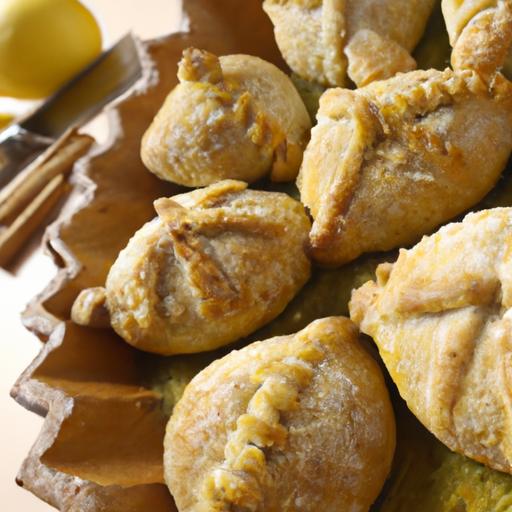

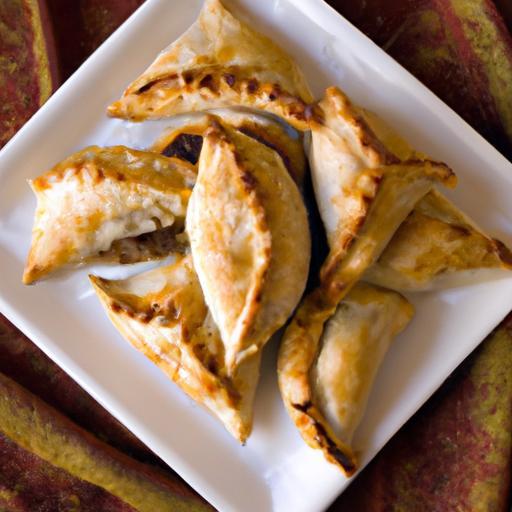
Nestled within the vibrant tapestry of Moroccan cuisine lies a hidden gem that dazzles both the eyes and the palate: the briouat. These delicate, golden pastries, often folded like little treasures, are more than just snacks-they are edible stories steeped in tradition and bursting with bold, aromatic flavors. From thier crisp, flaky exterior to the savory or sweet fillings enveloped within, briouats invite food lovers on a journey through Morocco’s rich culinary heritage. In this article,we unwrap the magic behind these flavorful Moroccan pastry treasures,exploring their origins,diverse fillings,and the artful techniques that bring them to life in kitchens across the world.
Briouats Unwrapped: Flavorful Moroccan Pastry Treasures offer more than just a snack-they are miniature works of culinary art that embody the heart and soul of Moroccan culture. These delicate, crispy pastries have long been a staple at Moroccan celebrations, marketplaces, and family gatherings. Whether filled with spiced meats, fragrant herbs, or sweet almonds and honey, briouats perfectly balance texture and flavor, making them irresistibly addictive. Their roots trace back centuries, blending Berber, Arab, and andalusian influences that shaped Moroccan cuisine into the vibrant, aromatic tapestry enjoyed today.
Prep and Cook Time
- Preparation: 30 minutes
- Cooking: 15 minutes
- Total Time: 45 minutes
Yield
About 24 briouats (serves 6 as an appetizer)
Difficulty Level
Medium – requires some patience for folding and frying, but results are deeply rewarding.
Ingredients
- 24 sheets of warqa pastry (Moroccan phyllo dough) or substitute with fresh phyllo sheets
- 1/2 lb ground lamb or beef (for savory) or 1 cup almond meal (for sweet)
- 2 tbsp olive oil
- 1 small onion, finely chopped
- 2 cloves garlic, minced
- 1 tsp ground cumin
- 1 tsp ground cinnamon
- 1 tsp paprika
- 1/2 tsp ground ginger
- Salt and freshly ground black pepper, to taste
- 1/4 cup chopped fresh cilantro and parsley
- 1 large egg, beaten (for sealing)
- Vegetable oil for shallow frying
- Honey and sesame seeds (for sweet briouats)
- Powdered sugar and cinnamon (optional garnish for sweet version)
Instructions
- Prepare the filling: In a skillet, heat 2 tbsp olive oil over medium heat. Sauté the chopped onion until translucent, about 5 minutes. Add garlic and ground meat; cook until browned, breaking up any lumps.
- Add spices: Stir in cumin, cinnamon, paprika, ginger, salt, and pepper. Cook for another 3 minutes until fragrant. Remove from heat; stir in chopped fresh cilantro and parsley. let cool.
- For sweet briouats: Combine almond meal with 2 tbsp sugar, 1 tsp cinnamon, and a splash of orange blossom water if available. Set aside.
- Assemble briouats: Place one sheet of warqa or phyllo on a clean surface. Cut the sheet into 3-inch wide strips.Brush a strip lightly with beaten egg.
- Add filling: Place a teaspoon of filling at the bottom end of the strip. Fold it over diagonally to form a triangle, then continue folding the triangle over itself up the length of the strip, maintaining the triangle shape.
- Seal edges: brush the final edge with beaten egg to seal the briouat securely.
- Heat oil: In a heavy skillet or frying pan, pour about 1 inch of vegetable oil and heat to 350°F (175°C). Test by dropping a small piece of dough into the oil-it should sizzle immediately.
- Fry briouats: Carefully add briouats in batches, frying until golden and crispy, about 3-4 minutes per side. Avoid overcrowding the pan.
- Drain and serve: Remove with a slotted spoon and drain on paper towels.
- for sweet briouats: While still warm, dip in warm honey and sprinkle with toasted sesame seeds. Optionally dust with powdered sugar and cinnamon.
Tips for Success
- warqa pastry is conventional and delicate; if unavailable, phyllo dough is a fine substitute but handle gently to prevent tearing.
- Filling variations: Try crab with cilantro and preserved lemon for seafood lovers or a vegetarian filling with spiced pumpkin and goat cheese.
- To save time, you can prepare and refrigerate the filling a day ahead.
- Be sure the oil is hot enough before frying to ensure a crispy crust and prevent sogginess.
- Leftover briouats can be reheated in a hot oven for 5 minutes to regain crispness, but best enjoyed fresh.
Serving Suggestions
Pair your golden briouats with a steaming glass of Moroccan mint tea, the perfect balance of sweet and refreshing to offset the richness of these pastries. Offer a selection of traditional Moroccan sauces: a spicy harissa, tangy charmoula, or a cooling yogurt and cucumber dip. Garnish with scattered toasted almonds or fresh mint leaves for a vibrant presentation that invites sharing.

| Nutrient | Per Serving (4 briouats) |
|---|---|
| Calories | 280 kcal |
| Protein | 12 g |
| Carbohydrates | 20 g |
| Fat | 18 g |
For more Moroccan culinary gems, explore our Moroccan Spice Blends Guide and bring the authentic flavors of North Africa straight into your kitchen.
Discover the full tradition and artistry behind these exquisite pastries on Britannica’s moroccan cuisine overview for deeper cultural context and history.
Q&A
Q&A: Briouats Unwrapped – flavorful Moroccan Pastry Treasures
Q1: What exactly are briouats?
A: Briouats are delightful Moroccan pastries that pack bold flavors into small, crisp parcels. Traditionally, these triangular or cigar-shaped treats are filled with a variety of savory or sweet ingredients, wrapped in delicate warqa pastry (similar to phyllo), and then fried or baked to golden perfection.
Q2: Where do briouats originate from?
A: briouats hail from Morocco, a country renowned for its vibrant culinary tapestry. They are a staple of Moroccan snack culture, often enjoyed as appetizers during festive occasions, Ramadan, or alongside a steaming cup of mint tea.
Q3: What kinds of fillings are common in briouats?
A: The magic of briouats lies in their versatile fillings.Savory versions often include spiced ground meats like lamb or beef, combined with almonds, herbs, and a kiss of cinnamon. Sweet briouats delight with fillings like orange blossom-perfumed almonds or creamy cheese dusted with powdered sugar and honey.
Q4: How are briouats typically prepared?
A: Preparation starts with wrapping the chosen filling carefully in thin sheets of warqa dough, folding it into neat triangles or rolls.These parcels are then either deep-fried for a crispy texture or baked for a lighter finish. The frying creates a satisfyingly crisp exterior that contrasts beautifully with the rich, flavorful interior.
Q5: What makes briouats so special in Moroccan cuisine?
A: Briouats embody the Moroccan love of bold spices, fresh herbs, and textural contrasts. They are perfect little flavor bombs-crispy on the outside,tender and aromatic inside-and play a cherished role in communal meals,symbolizing hospitality and tradition.
Q6: Can briouats be adapted for different dietary preferences?
A: Absolutely! While classic briouats frequently enough feature meat or nuts, creative cooks have crafted vegetarian versions filled with spiced vegetables, cheese, or even sweet fruit mixtures. Vegan options can use plant-based fillings and dough alternatives, ensuring everyone can savor these tasty treasures.
Q7: How should briouats be served?
A: Briouats are best served warm, often accompanied by a drizzle of honey for sweet varieties or a side of harissa or zesty dipping sauces for savory ones. Pair them with mint tea to complete the authentic Moroccan experience.
Q8: Where can one find briouats outside Morocco?
A: Thanks to growing global interest in Moroccan cuisine,briouats are increasingly featured in international Moroccan restaurants and specialty bakeries. Adventurous home cooks can also find warqa dough or use phyllo sheets as a substitute to recreate these tasty pastries at home.
Q9: Any tips for making perfect briouats at home?
A: Yes! Keep your warqa dough moist to prevent cracking, seal edges well to avoid leaks during cooking, and maintain oil at the right temperature for frying-too hot, and the briouats burn; too cool, and they soak up oil.Patience and practice will yield beautifully crisp and flavorful results.
Q10: why should food lovers add briouats to their culinary bucket list?
A: Briouats are a sensory journey: layers of flaky pastry, aromatic spices, and varied fillings offer a taste of Morocco’s rich history and culture. Whether savory or sweet, each bite tells a story of tradition, craftsmanship, and mouthwatering indulgence that’s unachievable to forget.
In Retrospect
As the flaky layers of a briouat gently part to reveal their savory-or sweet-treasures within, we are reminded that Moroccan cuisine is a vibrant tapestry woven from history, culture, and an unmistakable zest for flavor. Whether enjoyed as a crispy appetizer or a decadent dessert, briouats embody the artistry and warmth of Morocco’s culinary heritage. So,the next time you bite into one of these golden parcels,savor not just the taste but the story wrapped within-an edible invitation to explore the rich,aromatic world of Moroccan pastry treasures.