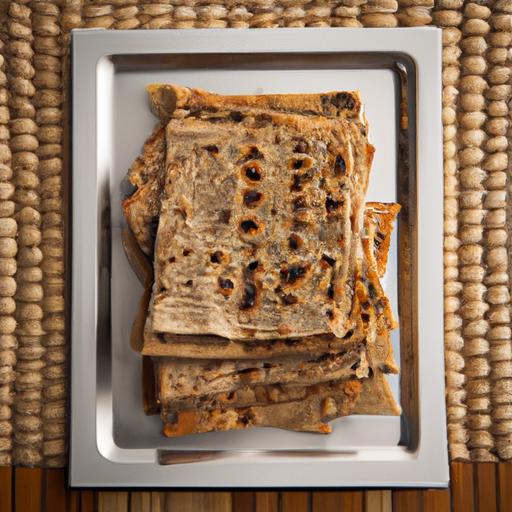


Imagine biting into a warm, spongy pancake riddled with hundreds of tiny, delicate holes-each one a little gateway to flavor and texture. This is baghrir, often called the Moroccan pancake with a thousand holes, a culinary marvel that’s as enchanting to look at as it is delightful to eat.
Originating from the heart of Moroccan kitchens and steeped in history, Baghrir is more than just a breakfast staple; it’s a cultural emblem that tells stories of tradition, community, and celebration.In this article,we’ll peel back the layers of Baghrir,exploring its unique creation,the secrets behind its signature holes,and the reasons it holds such a cherished place on Moroccan tables around the world.Get ready to embark on a flavorful journey that illuminates the art and soul behind this mesmerizing pancake.
Origins and Cultural Significance of Baghrir in Moroccan Cuisine
Baghrir: The Moroccan Pancake with a Thousand Holes Explained is not just a recipe-it’s a cultural emblem steeped in tradition and history. Originating from Morocco and enjoyed throughout North Africa, baghrir has long been a symbol of warmth and hospitality. frequently enough referred to as the “thousand-hole pancake,” it’s a staple at family gatherings and festive celebrations, notably during Ramadan and Eid. This spongy, golden-hued delight was traditionally cooked over a clay griddle that passed down generations, representing continuity and community. For many Moroccans, the aroma of baghrir evokes memories of lazy weekend mornings and spirited conversations around the breakfast table.
The unique texture and preparation method make baghrir stand out in moroccan cuisine. Its light, airy crumb, riddled with a beautiful network of tiny holes, allows it to soak up saffron-infused honey and melted butter-an irresistibly comforting combination. More than just a pancake, baghrir is a culinary canvas, offering an authentic taste of Moroccan heritage and the spirit of convivial dining.
The Science Behind Baghrir’s Signature Thousand Holes Texture
Understanding the science behind baghrir: the Moroccan pancake with a thousand holes explained reveals the magic of its porous texture. The batter combines semolina, flour, yeast, and baking powder. The secret lies primarily in fermentation: as yeast activates,it releases carbon dioxide bubbles that rise through the batter while it cooks. These bubbles create the characteristic network of tiny holes on the surface.
In addition, the fine semolina adds structure but also traps air, helping maintain the holes’ integrity as the pancake sets without flipping. unlike traditional pancakes, baghrir is cooked on only one side, preventing the top from forming a skin and allowing those bubbles to burst and remain visible. This interaction of fermentation, heat, and batter consistency requires precision-too thin a batter yields fewer holes; too thick and the pancake cooks unevenly. Achieving baghrir’s signature texture means mastering both a balanced batter and gentle heat.
Step By Step Guide to Mastering the Perfect Baghrir Batter
With a bit of patience and care, making authentic baghrir is entirely approachable. Follow these detailed steps to create that perfect, hole-riddled pancake:
Prep and Cook Time
- Preparation: 15 minutes
- Fermentation: 45 minutes
- Cooking: 20 minutes
- Total Time: 1 hour 20 minutes
Yield
Approximately 12 medium-sized baghrir pancakes (serves 4-6)
Difficulty Level
Medium – Requires fermentation and careful cooking but easy with practise
Ingredients
- 1 cup fine semolina
- 1 cup all-purpose flour, sifted
- 2 ½ teaspoons active dry yeast
- 1 teaspoon baking powder
- 2 ½ cups warm water (about 100°F/38°C)
- 1/2 teaspoon salt
- 1 tablespoon sugar
Instructions
- Activate the yeast: In a small bowl, dissolve the sugar and yeast in 1 cup of warm water. Let it stand for 5-10 minutes until foamy, indicating active fermentation.
- Mix dry ingredients: In a large mixing bowl or blender, combine the fine semolina, sifted flour, baking powder, and salt thoroughly.
- Incorporate wet ingredients: Gradually add the remaining 1 ½ cups warm water and the yeast mixture into the dry ingredients. Stir or blend on medium speed until the batter is smooth and no lumps remain. The batter should be thin and pourable, resembling heavy cream.
- Ferment the batter: Cover the bowl with a clean kitchen towel and let it rest in a warm spot for 40-45 minutes, allowing bubbles to form on the surface. The batter should rise slightly and get frothy.
- Preheat the pan: Heat a non-stick skillet or traditional baghrir griddle over medium-low heat. Avoid high heat to prevent uneven cooking.
- Cook the pancakes: Pour a ¼ cup of batter onto the pan, spreading slightly if needed (it will spread naturally). Cook only on one side; bubbles will form and burst,creating the thousand holes. Cook until the surface is dry and set, approximately 2-3 minutes.Do not flip.
- Transfer and keep warm: Place the cooked baghrir on a plate and cover lightly with a towel to stay warm and soft while cooking remaining pancakes.
Chef’s Notes: Tips for Success
- Batter consistency: if the batter is too thick, add a tablespoon of warm water to thin it out-each flour brand absorbs differently.
- Fermentation importance: Don’t rush this; adequate fermenting time creates the bubbles key to the holes.
- Heat control: Medium-low heat prevents burning while allowing bubbles to develop fully.
- Make-ahead: Prepare the batter the night before, refrigerate tightly covered, and bring to room temperature before cooking. Freshly mixed batter yields the best holes.
- Substitutions: You can replace half the semolina with fine cornmeal or buckwheat for regional variations but expect texture changes.
Serving Suggestions and Flavor Pairings to Elevate Your Baghrir Experience
The true delight of baghrir: the Moroccan pancake with a thousand holes explained lies in how it’s served and savored. Traditionally, these spongy pancakes are generously drizzled with a warm mixture of melted butter and honey, often infused with fragrant orange blossom water, which seeps beautifully into each hole.
For a luxe touch, sprinkle toasted almonds or crushed pistachios on top, adding both crunch and nutty depth. A side of freshly brewed Moroccan mint tea complements baghrir perfectly, balancing the sweetness with refreshing hints of spearmint and green tea.
Modern variations invite inventive pairings: spread almond butter and fresh figs for a wholesome snack, or stack baghrir with ricotta and drizzled date syrup as a decadent breakfast. Garnishing with a light dusting of cinnamon or a squeeze of crisp lemon juice also enhances the flavor complexity without overpowering the pancake’s delicate taste.
The visual charm of baghrir-its honey-dripping,hole-speckled surface-makes it an irresistible,Instagram-worthy centerpiece for any table,inviting guests to tear off soft pieces and savor bite after bite.
| Nutrient | per Serving (2 Baghrir) |
|---|---|
| Calories | 180 |
| Protein | 5g |
| Carbohydrates | 35g |
| Fat | 1.5g |
Explore more authentic Moroccan recipes like Harira soup to enjoy a complete traditional dining experience. For a deeper understanding of fermentation techniques that enhance baghrir’s texture, visit Science Daily’s fermentation research article.

Q&A
Q&A: Baghrir – The Moroccan Pancake with a Thousand Holes Explained
Q1: What exactly is Baghrir?
A1: baghrir is a light, spongy Moroccan pancake famous for its distinctive “thousand holes” or tiny bubbles that form on its surface during cooking.Frequently enough called the “Moroccan crumpet,” Baghrir is made primarily from semolina, flour, yeast, and water, resulting in a delicate texture that soaks up honey and butter like a dream.
Q2: Why is Baghrir called the pancake with a thousand holes?
A2: When Baghrir batter hits the hot pan, the yeast and baking powder cause it to bubble and rise, creating thousands of tiny craters on the cooking surface. These holes aren’t just aesthetic – they’re the key to its signature sponginess and its ability to absorb syrupy toppings, making each bite a burst of flavor and texture.
Q3: How is Baghrir traditionally served?
A3: In Morocco, Baghrir is frequently enough served warm, drizzled generously with a mixture of melted butter and honey, which seeps into each hole, creating a luscious, sweet treat. It’s a beloved breakfast or teatime snack,commonly enjoyed alongside mint tea,inviting moments of warmth and conviviality.
Q4: What makes Baghrir different from other pancakes or crumpets?
A4: Unlike typical pancakes that are flipped to cook on both sides, Baghrir is cooked only on one side, allowing the top to stay aerated and full of holes. This method preserves its light, almost custardy texture. Moreover, the use of semolina – a coarser flour – lends it a unique mouthfeel, setting it apart from wheat-flour-based pancakes elsewhere.
Q5: Can Baghrir be made gluten-free or vegan?
A5: Absolutely! Traditional recipes can be adapted by substituting gluten-free flours like rice or sorghum flour and using plant-based milk or water. As for vegan, since the basic recipe doesn’t require eggs or dairy, it’s often naturally vegan – just be sure any butter topping is replaced with a vegan option.
Q6: Is Baghrir only eaten in Morocco?
A6: While Baghrir is a staple in Moroccan cuisine, it’s also popular across North Africa – especially in Algeria and Tunisia – where it might be known by different names or served with regional twists. Beyond the Maghreb, its delightful texture and flavor have found fans worldwide, frequently enough enjoyed in Middle Eastern restaurants or homes celebrating Moroccan heritage.
Q7: What’s the secret to making perfect Baghrir at home?
A7: patience and the right heat! Letting the batter rest enough time to develop air bubbles is crucial, as is cooking on medium heat to allow the holes to form without burning the bottom. Using a non-stick pan and not flipping the pancake keeps the top open and full of those beloved holes – the heart and soul of Baghrir.
Q8: Can Baghrir be savory?
A8: yes! Although sweet is traditional, Baghrir can be paired with savory toppings like olive oil, cheese, herbs, or even spiced tomato sauces. Its neutral flavor and sponge-like structure make it a versatile canvas for countless culinary creations.
Q9: How does Baghrir reflect Moroccan culture?
A9: Baghrir embodies Moroccan hospitality – simple ingredients transformed into a comforting,communal delight. sharing Baghrir at breakfast or tea time is a ritual that brings family and friends together,celebrating tradition,warmth,and the joy of shared meals.
Q10: Where can one try authentic Baghrir?
A10: The best place is, naturally, in Morocco itself – bustling markets and family kitchens serve hot, fresh Baghrir daily. However, Moroccan eateries around the globe also offer this treat. Or, for the adventurous, making Baghrir at home can be a delicious way to connect with moroccan culture firsthand.
In Summary
whether enjoyed dripping with honey and butter at a bustling Moroccan market or savored quietly with mint tea at home, Baghrir is more than just a pancake-it’s a delicious testament to culinary tradition and culture. Those thousand tiny holes aren’t just a visual marvel; they are the secret to its airy texture and perfect sauce absorption, inviting each bite to melt softly on your tongue. By uncovering the story behind Baghrir, we not only appreciate its unique texture and flavor but also connect with a rich heritage passed down through generations.So next time you indulge in this spongy delight, remember: you’re tasting a piece of Morocco’s heart-one hole at a time.