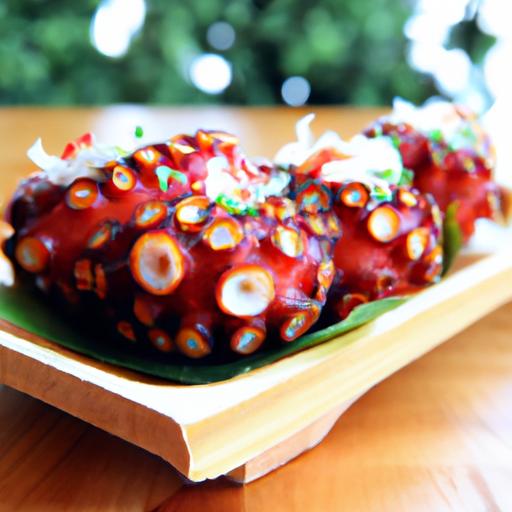

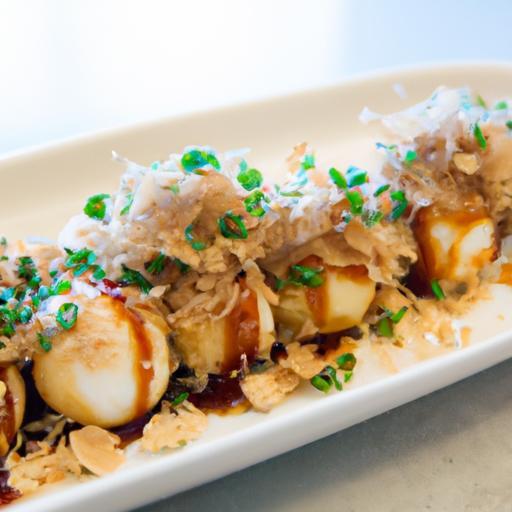
In the bustling streets of Osaka, where savory aromas drift through the air and food stalls beckon with irresistible charm, one beloved snack reigns supreme: takoyaki.
These golden, crispy spheres, filled with tender octopus and a medley of flavorful ingredients, have captured the hearts and palates of locals and travelers alike.”Takoyaki Unveiled: japan’s Iconic Octopus Snack Delight” takes you on a culinary journey behind the scenes of this iconic street food, exploring its rich history, unique readiness, and the cultural meaning that makes takoyaki a symbol of Japanese food artistry.
Whether you’re a curious foodie or a seasoned traveler, get ready to dive into the world of takoyaki, where tradition meets taste in every delightful bite.
Takoyaki Unveiled is more then just a beloved Japanese street food; it’s a flavorful journey into the heart of Osaka’s bustling culinary scene. These golden, crispy, octopus-filled spheres have captured the hearts of food enthusiasts worldwide, blending savory batter, tender octopus, and umami-rich toppings into a symphony of flavors and textures. Whether enjoyed fresh from sizzling iron molds at a festival or mastered in your very own kitchen, this dish is a delicious nod to Japan’s rich food heritage.
Prep and Cook Time
- preparation: 20 minutes
- Cooking: 15 minutes
- Total Time: 35 minutes
Yield
Approximately 24 takoyaki balls (serves 4 as an appetizer or 2 as a meal)
Difficulty Level
medium – requires some practice to perfect the turn and texture but very rewarding!
Ingredients
- 1 cup all-purpose flour, sifted
- 2 large eggs
- 2 1/2 cups dashi stock (Japanese soup stock, preferably homemade or high-quality store-bought)
- 2 tablespoons soy sauce
- 1 teaspoon baking powder
- 250g cooked octopus, cut into bite-sized pieces
- 3 green onions, thinly sliced
- 1/4 cup tenkasu (tempura scraps)
- Pickled red ginger (beni shoga), finely chopped, 2 tablespoons
- Vegetable oil, for greasing takoyaki pan
- Takoyaki sauce for serving (or okonomiyaki sauce)
- Japanese mayonnaise, as garnish
- Aonori (dried green seaweed flakes), to sprinkle
- Katsuobushi (bonito flakes), to finish
instructions
- Prepare the batter: In a large mixing bowl, whisk together the all-purpose flour, baking powder, and dashi stock until smooth. Add the eggs and soy sauce,mixing well until you achieve a silky batter with no lumps.
- Heat and oil the takoyaki pan: warm your takoyaki grill pan over medium heat. Generously brush each mold with vegetable oil to prevent sticking and ensure crispy exteriors.
- Fill the molds: Pour the batter into each mold, filling them slightly overflowing. Gently add a piece of octopus, green onions, tenkasu, and red ginger into each sphere. Fill with a little more batter to cover the filling entirely.
- Cook and turn: After about 2 minutes, when the edges start to crisp and firm up, use skewers or chopsticks to turn each ball about 90 degrees. Continue rotating frequently every minute to form perfect spheres.
- Finish cooking: Cook the takoyaki balls until golden brown and evenly crisp on the outside, about 6-8 minutes in total. The inside should remain tender and juicy.
- Garnish and serve: Transfer the balls to a serving plate and promptly drizzle with takoyaki sauce and Japanese mayonnaise in criss-cross patterns. Sprinkle liberally with aonori and katsuobushi, which dance delightfully atop the hot takoyaki.
Tips for Success
- Batter consistency: Aim for a thin, pourable batter. If too thick, add dashi stock sparingly.
- Turn quickly and gently: Use bamboo skewers or chopsticks to gently flip once edges firm up to avoid breaking the sphere.
- Octopus substitutions: If octopus is unavailable,cooked shrimp or squid pieces make tasty alternatives.
- Make-ahead: Batter can be prepared a day ahead and refrigerated. Re-stir gently before cooking.
- Pan alternatives: A standard takoyaki pan works best, but an ebelskiver pan can be a substitute for smaller spheres.
serving Suggestions
Serve takoyaki piping hot alongside a chilled cup of green tea or a refreshing Japanese lager. Garnish with finely shredded nori or a sprinkle of shichimi togarashi for an added spicy kick. For a festive vibe, line the plate with edible flowers or citrus zest. Takoyaki also pairs beautifully with a crisp cucumber salad or light miso soup to balance the rich flavors.
 iconic octopus snack delight,golden and crispy” class=”wp-image-1234″/>
| Nutrient | Per Serving (6 balls) |
|---|---|
| Calories | 280 kcal |
| Protein | 15 g |
| Carbohydrates | 30 g |
| Fat | 8 g |
Exploring the rich history and melding flavors of takoyaki brings an recognition beyond its delicious bite.For deeper insight into japanese cuisine traditions, discover our article on Okonomiyaki: A Japanese Savory Pancake. To complement your culinary knowlege, visit the official Japan National Tourism Organization page on Takoyaki for authentic cultural context and travel tips.
Q&A
Q&A: takoyaki Unveiled – Japan’s Iconic Octopus Snack Delight
Q1: What exactly is Takoyaki?
A1: Takoyaki is a beloved Japanese street food-small, round, golden-brown balls of savory batter filled with tender pieces of octopus (tako). These delightful bites are crispy on the outside yet soft and almost custard-like on the inside,making each mouthful a perfect harmony of textures and flavors.
Q2: Where did Takoyaki originate?
A2: Takoyaki was born in Osaka, Japan’s vibrant kitchen of street food creativity, during the 1930s. Inspired by a similar dish called akashiyaki from nearby Akashi city, Takoyaki quickly captured hearts with its unique mix of taste and portability, becoming Osaka’s iconic snack and eventually a nationwide favourite.
Q3: What makes Takoyaki so special compared to other snacks?
A3: It’s the magical interplay between the chewiness of the octopus morsels and the pillowy, savory batter that sets Takoyaki apart. Enhanced with toppings like tangy takoyaki sauce, creamy Japanese mayonnaise, flaky bonito flakes (katsuobushi), and a sprinkle of green seaweed powder (aonori), it delivers a multi-sensory experience that’s both comforting and exhilarating.
Q4: How is Takoyaki traditionally made?
A4: Traditionally, Takoyaki is cooked on a specialized griddle filled with hemispherical molds. The batter, made from wheat flour, dashi (Japanese broth), and eggs, is poured into the molds, then tiny octopus pieces, green onions, pickled ginger, and tempura scraps are added. As it cooks, the batter is skillfully flipped with picks to form perfectly round balls, ensuring a crispy exterior and a luscious interior.
Q5: Can Takoyaki be enjoyed beyond the street stalls?
A5: Absolutely! While street vendors remain the quintessential way to enjoy fresh Takoyaki, it’s now featured in restaurants, convenience stores, and even home kitchens worldwide. Enthusiasts experiment with fillings like cheese, shrimp, or even bacon, pushing the boundaries of this classic dish while honoring its roots.
Q6: What’s the cultural significance of Takoyaki in Japan?
A6: Takoyaki is more than just food-it’s a symbol of communal joy and Osaka’s lively food culture.Often enjoyed at festivals,school events,and family gatherings,it embodies warmth,togetherness,and the inventive spirit of japanese street cuisine.
Q7: How can a curious foodie best enjoy Takoyaki?
A7: For the authentic experience, seek out a bustling Osaka street stall, watch the skilled vendor dance their takoyaki picks, and dive in while the balls are piping hot-just be careful, as the molten interior can surprise the unwary! Pair it with a cold drink and soak in the vibrant atmosphere that epitomizes Japan’s snack-loving soul.
Q8: Is Takoyaki suitable for vegetarians or those with dietary restrictions?
A8: Traditional Takoyaki contains octopus, so it’s not vegetarian. However,many creative variations use tofu,vegetables,or seafood substitutes to cater to diverse diets. Always check with the vendor or restaurant, as toppings and ingredients can vary widely.Q9: What’s the best way to recreate Takoyaki at home?
A9: Invest in a takoyaki pan-a specialized griddle with round molds. Prepare a light batter with dashi broth and flour, dice some cooked octopus or preferred fillings, and practice the art of flipping the batter as it cooks. The process is part science, part dance-a rewarding challenge for adventurous cooks who want to bring Japan’s iconic snack into their own kitchen.
Q10: Why has Takoyaki remained so popular for nearly a century?
A10: its enduring fame lies in its irresistible taste, cultural roots, and capacity to evolve. Takoyaki is both a nostalgic comfort and a canvas for culinary creativity, making it a timeless snack that continues to delight generations across Japan and beyond.
In Conclusion
As the tantalizing aroma of sizzling batter and tender octopus fills the streets of Japan, Takoyaki stands not just as a snack, but as a cultural emblem-an edible story of tradition, community, and culinary craftsmanship. From humble street stalls to bustling festivals, each crispy, golden ball invites you to savor a bite of Japan’s vibrant food heritage. So whether you find yourself wandering through Osaka’s lively markets or recreating the magic in your own kitchen, Takoyaki remains a delicious reminder that sometimes, the simplest ingredients can create the most unforgettable experiences. dive in, and let every mouthful reveal the rich flavors and history behind Japan’s beloved octopus snack delight.