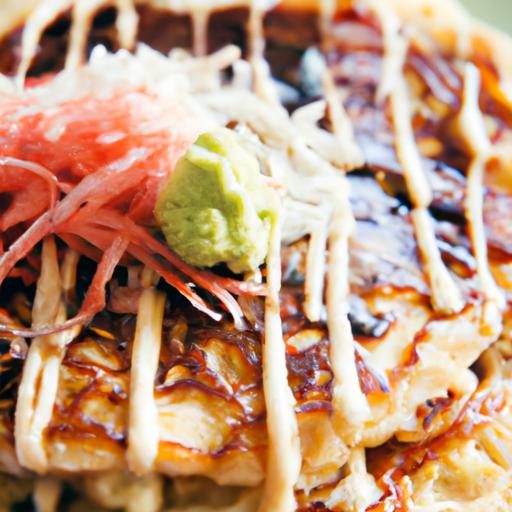

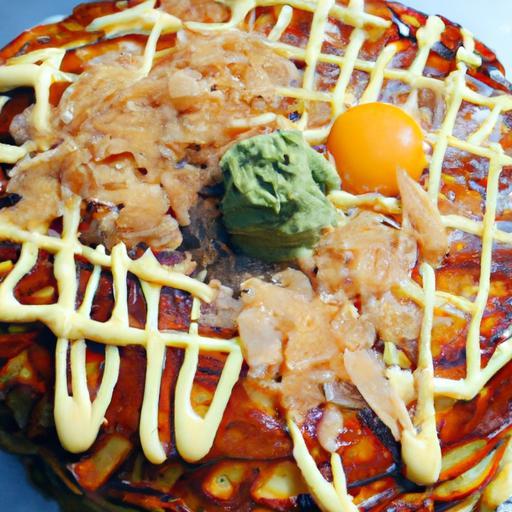
In the heart of Japan’s vibrant culinary tapestry lies a dish as playful as it is profound-Okonomiyaki. Often dubbed the country’s savory pancake, this beloved comfort food is far more than a simple stack of batter and fillings.It’s a canvas for creativity, a sizzling spectacle, and a celebration of regional flavors that unites families and strangers alike around the griddle. “Okonomiyaki Unveiled: Japan’s Savory Pancake Delight” invites you to journey beyond the familiar, revealing the history, variations, and irresistible charm of this iconic dish that continues to captivate taste buds both in Japan and around the world.
Okonomiyaki, a savory pancake beloved across Japan, offers a symphony of flavors that showcase regional diversity and authentic ingredients.This delightful dish invites cooks to embrace creativity while honoring tradition, making it perfect for an engaging home cooking adventure. From the bustling streets of Osaka to the coastal charm of Hiroshima, each variation reveals a unique story, blending local produce, seafood, and seasonings that define Japan’s rich culinary heritage.
Prep and Cook Time
Preparation: 20 minutes | cooking: 15 minutes | Total: 35 minutes
Yield
Serves 4 hearty portions
Difficulty Level
Medium – perfect for intermediate home chefs eager to master a joyful, interactive dish
Ingredients
- 1 cup all-purpose flour, sifted
- 2/3 cup dashi stock (or water with a pinch of dashi powder)
- 2 large eggs, lightly beaten
- 2 cups finely shredded cabbage (about 150g), tightly packed
- 4 thinly sliced green onions, for freshness
- 100g thin sliced pork belly or bacon
- 1/2 cup tenkasu (tempura scraps) for texture
- Pickled red ginger (beni shoga), 2 tbsp, finely chopped
- Okonomiyaki sauce, to taste (available at Asian markets)
- Japanese mayonnaise, for drizzling
- Aonori (dried seaweed flakes) and katsuobushi (bonito flakes) for garnish
- Vegetable oil, for frying
Instructions
- Prepare the batter: In a large bowl, mix the sifted flour and dashi stock until smooth. The batter should be slightly thick but pourable.Add the beaten eggs and mix until fully incorporated.
- Add fresh ingredients: Gently fold in the shredded cabbage, green onions, tenkasu, and pickled ginger, ensuring an even distribution without crushing the cabbage.
- Heat the pan: Warm a non-stick skillet or griddle over medium heat and brush lightly with vegetable oil. This helps achieve a golden crust and prevents sticking.
- Shape the pancake: Pour approximately 1 cup of batter onto the skillet, spreading it to about 7 inches (18 cm) in diameter and ¾ inch thick. Lay 2-3 slices of pork belly evenly over the top, letting them crisp as the pancake cooks.
- cook the first side: Sauté until the edges begin to brown and the pancake holds its shape, about 5-6 minutes. Avoid flipping too early to prevent breakage.
- Flip and cook: Carefully turn the pancake over using a spatula or two large forks. Cook the pork side down for an additional 5-6 minutes until pork is crisp and the pancake is cooked through.
- Plate and garnish: Slide the okonomiyaki onto a serving plate. Immediately brush the top with okonomiyaki sauce,drizzle with Japanese mayonnaise in a zigzag pattern,and sprinkle with aonori and katsuobushi. Watch as the bonito flakes dance with the heat-a sign of a appetizing okonomiyaki!
Tips for Success
- Customize freely: The term okonomiyaki means “grilled as you like it.” feel free to add seafood like shrimp or squid, or swap pork for chicken or tofu for a vegetarian twist.
- Master the texture: A good okonomiyaki strikes the balance between crispy edges and a soft,fluffy center. Avoid overmixing the batter to keep it light.
- Use fresh cabbage: Freshness impacts the texture and taste profoundly. Avoid watery or pale leaves for the best flavor boost.
- Make ahead: Prepare the batter and chopped ingredients up to 6 hours ahead. Keep refrigerated and give a gentle stir before cooking.
- Tools matter: A wide, flat spatula is ideal for flipping and serving. If you’re ambitious, try a teppan-style griddle for an authentic cooking experience.
Serving Suggestions
Serve okonomiyaki hot from the skillet, paired with a chilled glass of sake or cold beer to complement its rich umami flavors. Plate with a side of pickled vegetables or a simple miso soup for balance. For gatherings, create a DIY okonomiyaki bar allowing guests to top their own pancakes with an array of must-try toppings such as mochi pieces, cheese, fried egg, or spicy mayo.

| Nutrient | Per serving |
|---|---|
| Calories | 380 kcal |
| Protein | 18 g |
| carbohydrates | 35 g |
| Fat | 15 g |
For further inspiration on Japanese cooking techniques,check out our Japanese Home Cooking Basics article. For cultural history and culinary authenticity, visit the Japan Guide on Okonomiyaki.
Q&A
Q&A: Okonomiyaki Unveiled – Japan’s Savory Pancake Delight
Q1: What exactly is Okonomiyaki?
A1: Think of Okonomiyaki as a savory, customizable pancake – a bit like a Japanese culinary canvas.It’s a hearty mix of batter, shredded cabbage, various proteins, and toppings, all grilled to golden perfection. The name literally means “grill what you like,” making it a dish that’s as expressive as the chef’s creativity.
Q2: Where did Okonomiyaki originate?
A2: Okonomiyaki has strong roots in Osaka and Hiroshima, two cities famed for their unique takes on the dish.Osaka’s version mixes all ingredients together before grilling, while Hiroshima layers each component, often adding noodles, creating a deliciously complex stack.
Q3: What ingredients are traditionally used?
A3: The base usually consists of wheat flour,dashi (Japanese soup stock),eggs,and shredded cabbage. From there, popular additions include sliced pork belly, seafood like shrimp or squid, green onions, and pickled ginger. Toppings? Think tangy Okonomiyaki sauce, creamy Japanese mayo, bonito flakes that dance with heat, and crunchy seaweed flakes.Q4: How is Okonomiyaki typically cooked?
A4: Traditionally, it’s made on a teppan – a hot iron griddle. the batter and fillings sizzle as thay cook, developing a crispy crust on the outside while staying tender inside. In many restaurants, diners grill their own Okonomiyaki, turning the meal into a fun, interactive experience.
Q5: Why is Okonomiyaki considered more than just a meal in Japan?
A5: Okonomiyaki is a social celebration as much as a dish. Its communal cooking style invites friends and family to gather around the griddle, bonding through cooking and sharing.It’s comfort food that carries the warmth of tradition and the joy of collaboration.
Q6: Can Okonomiyaki be enjoyed by vegetarians?
A6: Absolutely! While traditional recipes often feature meat or seafood, you can easily create a vegetarian version using ingredients like mushrooms, tofu, shredded carrots, and plenty of cabbage. Just swap out the fish-based dashi for a vegetarian broth, and you’re set.
Q7: What’s the best way to experience Okonomiyaki in Japan?
A7: For the ultimate adventure, visit an Okonomiyaki specialty restaurant in Osaka or Hiroshima. Many places offer an array of ingredients and let you craft your own masterpiece on a personal griddle. Watching it cook, flipping it just right – it’s a must-try cultural and culinary immersion.
Q8: Is Okonomiyaki popular outside Japan?
A8: Yes! Its delicious versatility and interactive element have helped Okonomiyaki gain international fans.from Japanese eateries in global cities to home kitchens inspired by travel shows, this savory pancake is winning hearts worldwide.
Q9: How can I make Okonomiyaki at home?
A9: Start with a simple batter of flour,eggs,dashi or water,and shredded cabbage. Add your choice of proteins or veggies. Cook on a hot skillet,flipping carefully to get that crisp exterior. Then drizzle with Okonomiyaki sauce and mayo, sprinkle bonito flakes and seaweed powder, and voilà – Japan’s savory pancake delight on your plate!
Q10: What makes Okonomiyaki so uniquely japanese?
A10: It’s the blend of simplicity and creativity, community spirit, and the layers of flavor that reflect Japan’s culinary ethos. More than just a pancake, Okonomiyaki embodies the joy of making something delicious “your way,” celebrating the harmony between ingredients, technique, and personal taste.
To wrap It Up
As the layers of okonomiyaki unfold-crisp cabbage mingling with tender batter, savory sauces drizzled like edible brushstrokes, and toppings that range from smoky bonito flakes to creamy mayonnaise-it’s clear this humble pancake is more than just a meal. Okonomiyaki is a celebration of Japan’s culinary creativity, inviting each eater to become a co-creator of flavor and texture. Whether enjoyed sizzling hot from a teppan grill in Osaka or lovingly crafted at home,this savory delight offers a delicious glimpse into the heart of Japanese comfort food.So next time you crave something both familiar and wonderfully unique, let okonomiyaki be your delicious invitation to explore the rich, layered tastes of Japan’s pancake artistry.