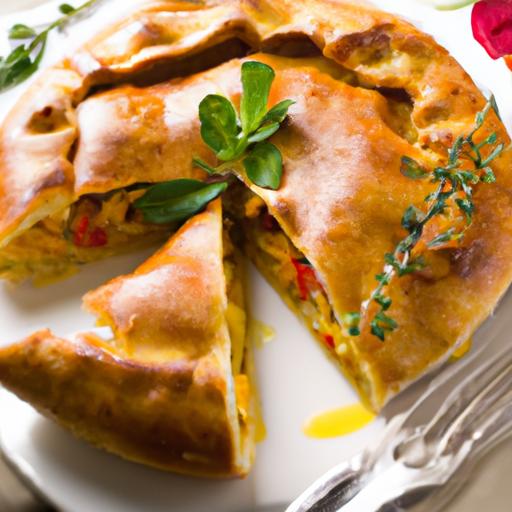

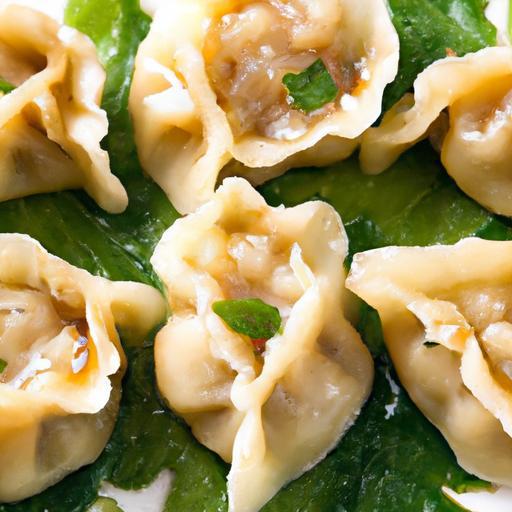
Nestled at the crossroads of history and flavor, Moroccan B’stilla tells a story as rich and layered as the dish itself. This iconic delicacy,with its golden,flaky pastry enveloping a sumptuous filling of tender meat,fragrant spices,and a surprising touch of sweetness,captures the very essence of Morocco’s culinary artistry. More than just a meal, B’stilla is a celebration of contrasts-where savory meets sweet, tradition meets innovation, and culture unfolds bite by bite. join us as we unravel the origins, ingredients, and timeless appeal of this delectable blend of sweet and savory that continues to enchant palates around the world.
Origins and Cultural significance of Moroccan B’stilla
Moroccan B’stilla, a culinary jewel weaving the rich tapestry of North African and Andalusian heritage, has long captivated palates with its enchanting combination of textures and flavors. Originally crafted as a royal delicacy, this unique pie brings together the sweet aromas of cinnamon and powdered sugar with the earthy savoriness of spiced meat and toasted almonds.Serving B’stilla during festive occasions, weddings, and religious celebrations symbolizes hospitality and the exquisite balance of contrasts cherished in Moroccan gastronomy.
Mastering the Art of Balancing Sweet and Savory Flavors
Achieving the perfect harmony between the flaky, buttery pastry and the succulent filling is the essence of Moroccan B’stilla. The interplay of layers involves tender shredded meat – traditionally squab, or chicken as a popular choice – infused with ginger, saffron, and warm spices. the finishing touch of powdered sugar and cinnamon creates a beguiling sweet-savory crescendo that delights the senses.Through careful seasoning and texture contrast, this dish transcends being just a meal, becoming an immersive experience of Morocco’s culinary soul.
Essential Ingredients and Authentic Readiness Techniques
- 1 whole chicken (about 3 pounds),poached and shredded
- 1 large onion,finely chopped
- 3 tablespoons olive oil
- 1 teaspoon ground cinnamon
- 1 teaspoon ground ginger
- 1/2 teaspoon turmeric
- Pinch of saffron threads,soaked in warm water
- 1 cup blanched almonds,toasted and coarsely chopped
- 3 eggs,beaten
- 1/4 cup fresh parsley and cilantro,finely chopped
- 1 package of warqa pastry (or filo dough),thawed
- 4 tablespoons melted butter
- Powdered sugar and cinnamon,for dusting
- Salt and black pepper to taste
Prep and Cook Time
- Preparation Time: 45 minutes
- Cooking Time: 1 hour 15 minutes
- Total Time: 2 hours
Yield
Serves 8-10 guests generously
Difficulty Level
Advanced – Ideal for cooks ready to impress with a conventional,ornate Moroccan preparation
Instructions
- Poach the chicken: In a large pot,cover the whole chicken with water,add salt,half of the chopped onion,and saffron water. Simmer for 45 minutes until the chicken is tender. Remove and shred the meat once cool.Reserve the broth for the filling.
- Prepare the spiced filling: In a large skillet, heat olive oil and sauté the remaining onion until translucent. Add cinnamon, ginger, turmeric, salt, and pepper, stirring until fragrant.
- Add shredded chicken and herbs: Stir the shredded chicken and chopped parsley and cilantro into the skillet. Pour 1 cup of reserved broth and simmer until the mixture thickens slightly, about 10 minutes.
- Incorporate the eggs: Slowly add beaten eggs into the hot mixture, stirring steadily to create a thick, custard-like consistency. Remove from heat and let cool.
- Toast and chop almonds: In a dry pan, toast almonds until golden. Mix them with 1 teaspoon cinnamon and set aside.
- Preheat oven: To 375°F (190°C). Brush a deep round baking dish with melted butter.
- Layer the warqa or filo: Place two sheets of pastry into the baking dish, brushing each layer generously with melted butter. Allow the edges to hang over the sides for sealing later.
- Assembly: Spoon half of the meat and egg mixture into the dish. Sprinkle with half the cinnamon almonds. Add the remaining filling and another layer of almonds. Fold the overhanging pastry edges atop, then cover with 2-3 more sheets of pastry, buttering each as before.
- Bake: Bake for 30-40 minutes or until golden brown and crisp. Remove from oven and immediately dust the top with a mixture of powdered sugar and cinnamon for that signature Moroccan finish.
Tips and Tricks for Serving B’stilla Like a Moroccan Chef
Serve your Moroccan B’stilla warm or at room temperature, sliced into wedges to reveal the layers of delicate pastry and savory filling. Garnish with freshly chopped mint or a sprig of cilantro for a burst of freshness. Pair with a side of refreshing Moroccan mint tea to cleanse the palate.
Chef’s Notes
- Meat alternatives: While chicken is accessible, authentic B’stilla frequently enough uses squab or pigeon for richer flavor. Lamb or beef can be excellent for a twist.
- Pastry options: Warqa offers authentic texture, but filo dough is a practical substitute and can be found in most grocery stores.
- Crispness tip: Brushing generous layers of melted butter between pastry sheets ensures golden,flaky results.
- Make-ahead: Prepare filling a day in advance to deepen flavors; assemble and bake just before serving.
- Sweet-salty balance: Don’t skip the final dusting of powdered sugar and cinnamon-it’s the magical contrast that defines this dish.
Serving Suggestions
Present B’stilla on a large decorative platter to embody Moroccan hospitality. Accompany it with a simple salad of crisp arugula, orange segments, and toasted almonds dressed lightly in olive oil and lemon juice. For an elegant touch, sprinkle extra toasted almonds on top. Offer refreshing glasses of spiced Moroccan mint tea or a lightly chilled white wine to complement the complex flavors.
| Nutrient | Per Serving (approx.) |
|---|---|
| Calories | 450 kcal |
| Protein | 30 g |
| Carbohydrates | 28 g |
| Fat | 22 g |

Discover more Moroccan culinary treasures in our Moroccan Tagine Recipes collection. For further insight into the origins of this timeless dish, visit the Wikipedia entry on B’stilla.
Q&A
Q&A: Moroccan B’stilla – A Delectable Blend of sweet and Savory
Q1: What exactly is Moroccan B’stilla?
A: Moroccan B’stilla (also spelled pastilla or bastilla) is a traditional savory pie that masterfully marries sweet and savory flavors. It’s a culinary marvel hailing from Morocco, ofen enjoyed during special occasions and family gatherings. The dish typically features tender,spiced poultry-classically pigeon or chicken-enveloped in layers of thin,flaky warqa pastry and dusted generously with powdered sugar and cinnamon for that signature sweet finish.
Q2: How did B’stilla originate?
A: B’stilla is said to have roots in Andalusian cuisine, brought to Morocco by Jewish and Moorish refugees in medieval times.Over centuries, it evolved into the refined delicacy we certainly know today-one that reflects Morocco’s rich cultural tapestry and love for bold, complex flavors. The contrast of savory meat and sweet spices embodies the fusion of diverse culinary traditions.
Q3: What ingredients make B’stilla so unique?
A: The magic of B’stilla lies in its balance. Inside the crisp pastry, you’ll find slow-cooked spiced poultry combined with almonds, eggs, and an aromatic blend of cinnamon, saffron, ginger, and sometimes rose water or orange blossom water. The final flourish-a dusting of confectioners’ sugar and more cinnamon-turns the dish into a complex play on flavor profiles, delighting the palate with each bite.
Q4: Is B’stilla challenging to make at home?
A: while B’stilla involves multiple steps-preparing the filling, layering the pastry, and baking-it’s definitely doable with patience and care. Many home cooks adore the process because it feels like crafting a delicious, edible story. Using pre-made warqa or phyllo dough simplifies the task. The key is layering thin sheets just right and ensuring the filling is flavorful and moist without sogginess.
Q5: How is B’stilla traditionally served and enjoyed?
A: B’stilla is usually served as an impressive starter or main course during celebrations such as weddings, Ramadan, and holidays. It’s often presented whole, then sliced to reveal the stunning layers inside. The contrasting textures-the crispy pastry, tender meat, crunchy almonds, and sweet dusting-make it a feast for both the eyes and the taste buds. Pairing it with a fresh mint tea enhances the experience.
Q6: Are there variations of B’stilla?
A: Absolutely! While chicken B’stilla is the most common, pigeon was traditionally used for a richer flavor. There are also fish B’stillas, especially near coastal regions, and vegetarian versions stuffed with a mix of mushrooms, nuts, and aromatic spices. Each variation honors the spirit of B’stilla by maintaining that alluring sweet-savory balance.
Q7: Why has B’stilla stood the test of time?
A: B’stilla’s enduring allure comes from its harmonious blend of flavors and layers of cultural significance. It’s a dish that tells a story-of migration, adaptation, and celebration. Its complex yet comforting taste makes it timeless, inviting cooks and diners alike to savor a slice of Moroccan heritage with every bite.
Whether you’re a curious foodie or a seasoned chef, Moroccan B’stilla offers a delicious doorway into a world where sweet meets savory in the most enchanting ways.Ready to try your hand at this iconic Moroccan treasure? Bon appétit-b’saha!
In Retrospect
In the rich tapestry of Moroccan cuisine, B’stilla stands out as a culinary masterpiece where tradition meets innovation. This exquisite dish, with its delicate layers of flaky pastry, fragrant spices, tender meat, and subtle sweetness, invites you to experience a harmonious dance of flavors that is both unexpected and utterly captivating. Whether enjoyed at a festive gathering or savored in the quiet of your own kitchen, B’stilla tells a story of history, culture, and culinary artistry-reminding us that sometimes, the most delightful meals are those that embrace the beautiful complexity of sweet and savory in perfect balance.