
Beneath the forest’s emerald canopy and hidden in the damp earth lies a world teeming with wonder-a kingdom of mushrooms that sparks curiosity and captivates the imagination. These enigmatic organisms, often dismissed as mere fungi, hold secrets that intertwine biology, culture, and even mysticism. from ancient folklore to cutting-edge science, mushroom stuff invites us to explore a rich tapestry of shapes, colors, and extraordinary abilities. Join us as we unlock the magic behind these interesting life forms, delving deep into their biology, uses, and the remarkable stories they tell. Whether you’re a nature enthusiast, a culinary adventurer, or simply curious, this journey into the mushroom realm promises to reveal much more than meets the eye.
Unlocking the Magic: A Deep Dive into Mushroom Stuff – Culinary Transformations
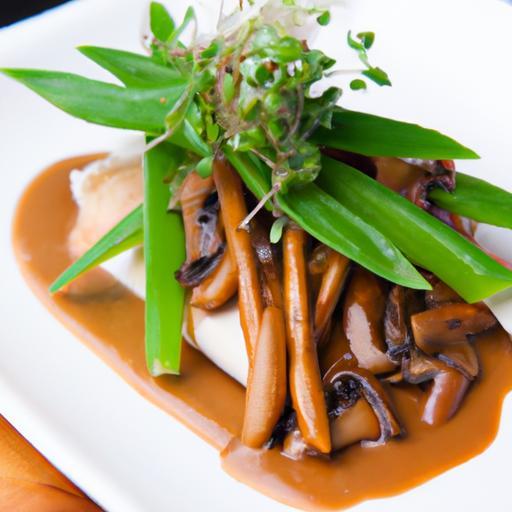
Unlocking the magic of mushroom stuff begins with understanding their incredible versatility in the kitchen. Mushrooms are not just earthy, umami-rich ingredients; they have the power to transform simple dishes into culinary masterpieces. Inspired by my travels through the forests of Oregon and the bustling markets of Japan, I’ve curated a recipe that highlights the unique textures and flavors of shiitake, cremini, and oyster mushrooms, showcasing their ability to elevate everyday meals.
Prep and Cook Time
- Preparation: 15 minutes
- Cooking: 25 minutes
Yield
- Serves 4
Difficulty Level
- Medium
Ingredients
- 400g mixed mushrooms (shiitake, cremini, oyster), cleaned and sliced
- 3 tbsp extra virgin olive oil
- 1 medium shallot, finely chopped
- 3 cloves garlic, minced
- 1 tsp fresh thyme leaves
- 1 tbsp soy sauce (for a subtle umami boost)
- 1/4 cup dry white wine (optional, for deglazing)
- Salt and freshly ground black pepper, to taste
- 2 tbsp unsalted butter
- Fresh parsley, chopped, for garnish
- Crusty artisan bread, to serve
Instructions
- Heat the olive oil in a large sauté pan over medium-high heat until shimmering.
- Add the shallots and cook, stirring, for 2 minutes until translucent.
- Stir in the garlic and thyme, cooking for 30 seconds until fragrant.
- Add the mixed mushrooms in a single layer. Let them sear without stirring for 3-4 minutes to develop a golden crust.
- Stir mushrooms, then continue to sauté for another 5-7 minutes until they release their moisture and become tender.
- Pour in the white wine to deglaze the pan, scraping any browned bits from the base. Let it reduce by half, about 3 minutes.
- Stir in soy sauce, season with salt and pepper, then add the butter to finish, stirring until silky and glossy.
- Remove from heat and sprinkle with fresh parsley.
- Serve promptly alongside crusty artisan bread for dipping in the luscious mushroom juices.
Tips for Success
- For deeper flavor, try roasting the mushrooms in the oven at 400°F for 15 minutes before sautéing for a caramelized edge.
- Substitute soy sauce with tamari or coconut aminos to keep the dish gluten-free.
- Use a heavy-bottomed pan to ensure even heat distribution and better browning.
- Make-ahead: Prepare the mushroom sauté and store in an airtight container for up to 2 days. Reheat gently in a skillet with a splash of broth.
- Experiment with herbs: Fresh rosemary or sage can add unique twists and complement mushroom earthiness.
serving Suggestions
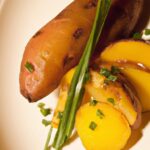
Present this mushroom medley nestled on a bed of creamy polenta or tossed into freshly cooked pasta for an effortless weeknight dinner.Garnish with a drizzle of truffle oil or shaved Parmesan to intensify the earthy notes. For a fresh contrast, a side of tangy arugula salad with lemon vinaigrette balances the richness perfectly. Capture the colors by serving with orange-hued roasted butternut squash or beetroot for a beautifully vibrant plate.

| nutrient | Per Serving |
|---|---|
| Calories | 180 kcal |
| Protein | 6 g |
| Carbohydrates | 7 g |
| Fat | 14 g |
Discover more exciting ways to use mushrooms by exploring our mushroom recipes collection. For additional insights into the nutritional benefits of mushrooms,visit the Healthline Mushrooms Nutrition Guide.
Q&A
Q&A: Unlocking the Magic – A Deep Dive into Mushroom Stuff
Q1: What makes mushrooms so magical?
A1: Mushrooms have captivated human imagination for centuries, not just for their whimsical shapes and earthy flavors, but for their astonishing abilities.From their phenomenal role in nature as decomposers that recycle dead matter, to their use in medicine and cuisine, mushrooms embody a fascinating blend of mystery and utility. Their bioactive compounds can boost immunity, enhance mental clarity, and even inspire psychedelic experiences-truly a kingdom of wonders hidden beneath the forest floor.
Q2: Are all mushrooms edible or beneficial?
A2: Not quite! While many mushrooms are delicious and nutritious, others can be dangerously toxic. Think of mushrooms like a secret language of the forest-some speak of healing, others whisper warnings. Foragers and enthusiasts must learn to distinguish edible species like morels and chanterelles from poisonous imposters such as the death cap. When in doubt, always consult an expert or reliable guide to stay safe on your mushroom adventures.
Q3: How do mushrooms contribute to ecosystems?
A3: Mushrooms are nature’s recyclers and matchmakers. Their mycelium networks spread underground, breaking down organic matter to nourish trees and plants.this underground web also facilitates communication and nutrient exchange among plants, sometimes called the “Wood Wide Web.” Without mushrooms, forests woudl be buried under layers of dead leaves and wood, losing the vibrant cycles of life.
Q4: What’s the science behind psychedelic mushrooms?
A4: Psychedelic mushrooms, frequently enough known as “magic mushrooms,” contain compounds like psilocybin that interact with brain receptors to alter perception, mood, and cognition. Modern science is rediscovering these natural marvels for their potential to treat depression, PTSD, and anxiety when used responsibly under medical supervision. It’s like peeling back layers of consciousness with the help of nature’s alchemy.
Q5: Can mushrooms be cultivated at home?
A5: Absolutely! Growing mushrooms can be as enchanting as it is indeed educational. With the right spores, substrate (like straw or coffee grounds), and moisture, even a kitchen windowsill can become a mini fungal farm.Cultivating mushrooms at home not only provides fresh, flavorful ingredients but also offers a glimpse into the hidden life of these incredible organisms.
Q6: What’s the future of mushrooms in medicine and technology?
A6: The future is fungal! Researchers are exploring mushrooms as sources of novel antibiotics, cancer-fighting agents, and even biodegradable materials to replace plastics. Mycelium’s strength and versatility hold promise for innovations in packaging, construction, and environmental cleanup. As we continue to unlock the secrets of mushroom biology, these humble organisms could revolutionize how we heal and build our world.
Q7: How can someone start learning more about mushrooms?
A7: Dive into local mushroom foraging groups, attend workshops, or explore field guides that reveal the rich diversity around you. Mushroom festivals and online communities offer vibrant platforms to share discoveries and deepen your appreciation. Remember, every fungal journey begins with curiosity-and a sense of wonder at the magical world beneath your feet.
Wrapping Up
As we peel back the layers of the fascinating world of mushrooms, it becomes clear that these enigmatic organisms are far more than humble fungi sprouting from forest floors.From their vital roles in ecosystems to their potential in medicine, cuisine, and even technology, mushrooms unlock a realm of magic that bridges nature and innovation. By deepening our understanding and appreciation of these remarkable beings, we open doors to untold discoveries and possibilities. So next time you stumble upon a cluster of mushrooms or savor their earthy flavors, remember: beneath their modest caps lies a universe waiting to be explored.